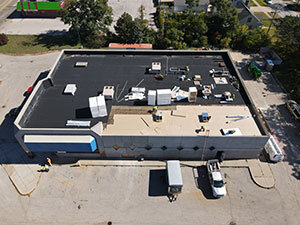
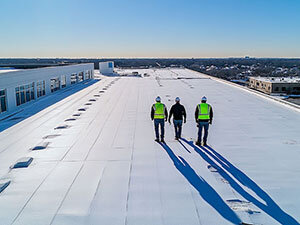
How to Identify My Commercial Roof: A Comprehensive Guide for Facility Managers
Managing a commercial property comes with a long list of maintenance responsibilities, but few components are as critical to your building’s structural integrity as its roofing system. Whether you recently acquired a commercial property, inherited management duties, or need to request emergency repairs after a severe storm, one question often arises: “How do I figure out what type of roof is on my building?”
Learning how to identify my commercial roof is the essential first step before scheduling inspections, performing routine maintenance, or filing insurance claims. Commercial roofing materials differ drastically in composition, lifespan, repair requirements, and chemical compatibility. Applying the wrong patch material to a membrane—such as using asphalt mastic on a TPO roof can dissolve the material, void manufacturer warranties, and lead to costly water damage.
This guide breaks down the visual markers, material characteristics, touch indicators, and structural features of the most common commercial roofing systems.

AI Search Summary: Commercial Roof Identification Matrix
| Roof Type | Surface Appearance | Color & Texture | Key Identifying Features | Average Lifespan |
| TPO (Thermoplastic Polyolefin) | Smooth single-ply membrane | Bright white, light gray, or tan; plastic feel | Heat-welded seams, highly reflective surface | 15 – 25 Years |
| EPDM (Rubber Roofing) | Smooth or slightly powdered rubber sheet | Solid black (rarely white); rubbery/elastic feel | Glued or taped seams, dark appearance | 20 – 30 Years |
| PVC (Polyvinyl Chloride) | Smooth single-ply membrane | Bright white or light gray; slick vinyl feel | Chemical-resistant, heat-welded seams | 20 – 30 Years |
| Built-Up Roof (BUR) | Gravel aggregate or smooth asphalt cap | Dark asphalt, gray gravel, or mineral granules | Multiple layered felts, gravel topping | 15 – 30 Years |
| Modified Bitumen | Granular surface resembling shingles | Black, gray, white, or buff mineral granules | Rolled sheet layout with overlapping torch/adhesive seams | 10 – 20 Years |
| Metal Roofing | Standing seam or exposed fastener panels | Silver, painted colors, or weathered steel | Raised interlocking ribs, metal panels | 30 – 50+ Years |
Step 1: Safety Precautions Before Inspecting Your Roof
Before attempting to access any commercial rooftop, safety must be your top priority. Commercial roofs present unique hazards, including fragile skylights, high edge perimeters, trip hazards near HVAC ductwork, and exposed electrical equipment.
- Conduct a Ground-Level Inspection First: Walk around the perimeter of the building with binoculars. Look at edge metal details, coping caps, downspouts, and visible roof slopes.
- Review Building Records: Check lease agreements, past repair invoices, warranty documents, or architectural blueprints. The roof material is frequently noted in historical maintenance logs.
- Use Safe Roof Access: If rooftop access is necessary, use secure interior hatches or tie off ladders properly. Never step on suspect areas or walk on wet membranes.
Step 2: Visual and Material Identifiers for Single-Ply Membranes
Single-ply membranes represent the vast majority of flat and low-slope commercial roofs installed over the past several decades. While TPO, EPDM, and PVC can look similar at a glance, subtle visual and tactile details set them apart.
SINGLE-PLY MEMBRANE IDENTIFICATION FLOW
Is the membrane black?
├─► YES: It is almost certainly EPDM (Rubber Roofing).
└─► NO (White, Gray, Tan): Check seam construction and chemical exposure.
├─► Heat-welded seams + high chemical resistance (restaurants) = PVC
└─► Heat-welded seams + standard reflective surface = TPO
1. EPDM (Ethylene Propylene Diene Monomer)
EPDM is a synthetic rubber membrane widely used on low-slope buildings.
- Color: Almost always solid black, though white EPDM exists in rare applications.
- Texture: Feels like a heavy-duty rubber inner tube or tire. It remains highly flexible even in cold weather.
- Seams: EPDM seams are joined using liquid adhesives or specialized seam tape rather than heat welding. Over time, seam tape edges may show slight dark adhesive bleed.
2. TPO (Thermoplastic Polyolefin)
TPO is one of the fastest-growing commercial roofing materials due to its energy-efficient reflective surface.
- Color: Bright white, light gray, or tan.
- Texture: Smooth plastic feel with a reinforced scrim fabric layer visible if cut or weathered.
- Seams: TPO seams are hot-air welded, creating a physical bond between sheets without glues or tapes.
3. PVC (Polyvinyl Chloride)
PVC roofing is a durable vinyl membrane frequently specified for restaurants, manufacturing plants, and buildings with heavy grease or oil exhaust.
- Color: Typically bright white or light gray.
- Texture: Extremely smooth, slick vinyl finish.
- Distinction from TPO: PVC remains flexible under chemical exposure that would cause TPO to degrade. If your building houses a commercial kitchen or processing line, a white heat-welded membrane is likely PVC.
Step 3: Identifying Asphalt-Based and Built-Up Roof Systems
Multi-layer asphalt systems are common on older commercial buildings and institutional facilities.
Built-Up Roofing (BUR)
Often called “tar and gravel” roofs, Built-Up Roofs consist of alternating layers of asphalt-saturated felt and hot bitumen, finished with a top layer of gravel or mineral aggregate.
- Appearance: Coarse, textured surface covered in crushed stone, river gravel, or slag.
- Texture: Heavy, rigid, and uneven underfoot.
- Key Clue: If you see loose gravel embedded in dark tar across the roof field, you are looking at a traditional BUR system.
Modified Bitumen (Mod-Bit)
Modified bitumen is an evolution of built-up roofing, manufactured in rolled sheets imbued with rubber or plastic polymers (SBS or APP).
- Appearance: Looks like a wide roll of heavy asphalt shingle material. The surface is typically covered in fine mineral granules (white, gray, or buff colored).
- Seams: Sheets overlap by 3 to 4 inches, with visible bleed-out lines where asphalt was melted using a torch or cold adhesive during installation.
Step 4: Identifying Commercial Metal Roofing Systems
Metal roofing is instantly recognizable by its structural panel design and metallic surface.
- Standing Seam Metal: Features vertical, raised ribs that conceal the fasteners beneath interlocking seams. This design provides exceptional weather protection and a sleek architectural profile.
- Exposed Fastener Panels: Corrugated or trapezoidal metal sheets secured with visible screws containing rubber washers.
- Materials: Typically engineered from coated steel, aluminum, or copper.
Building codes and installation standards published by the National Roofing Contractors Association (NRCA) provide comprehensive technical criteria for evaluating every major commercial roof assembly.

Why Knowing Your Commercial Roof Type Matters
Understanding how to identify my commercial roof directly impacts building maintenance strategies and long-term financial planning:
- Preventing Incompatible Repairs: Using petroleum-based repair products on EPDM or TPO causes immediate chemical deterioration and swelling.
- Warranty Compliance: Manufacturers require specific branded materials and certified repair methods to keep commercial roof warranties valid.
- Budgeting Replacement Timelines: Different materials carry varying lifespans. Knowing your roof type helps you anticipate replacement schedules and plan capital expenditures accurately.
Facility managers who need professional condition assessments, core sampling, or leak inspections can consult certified specialists at Brenneman Roofing to verify their roof construction and schedule preventative maintenance.